
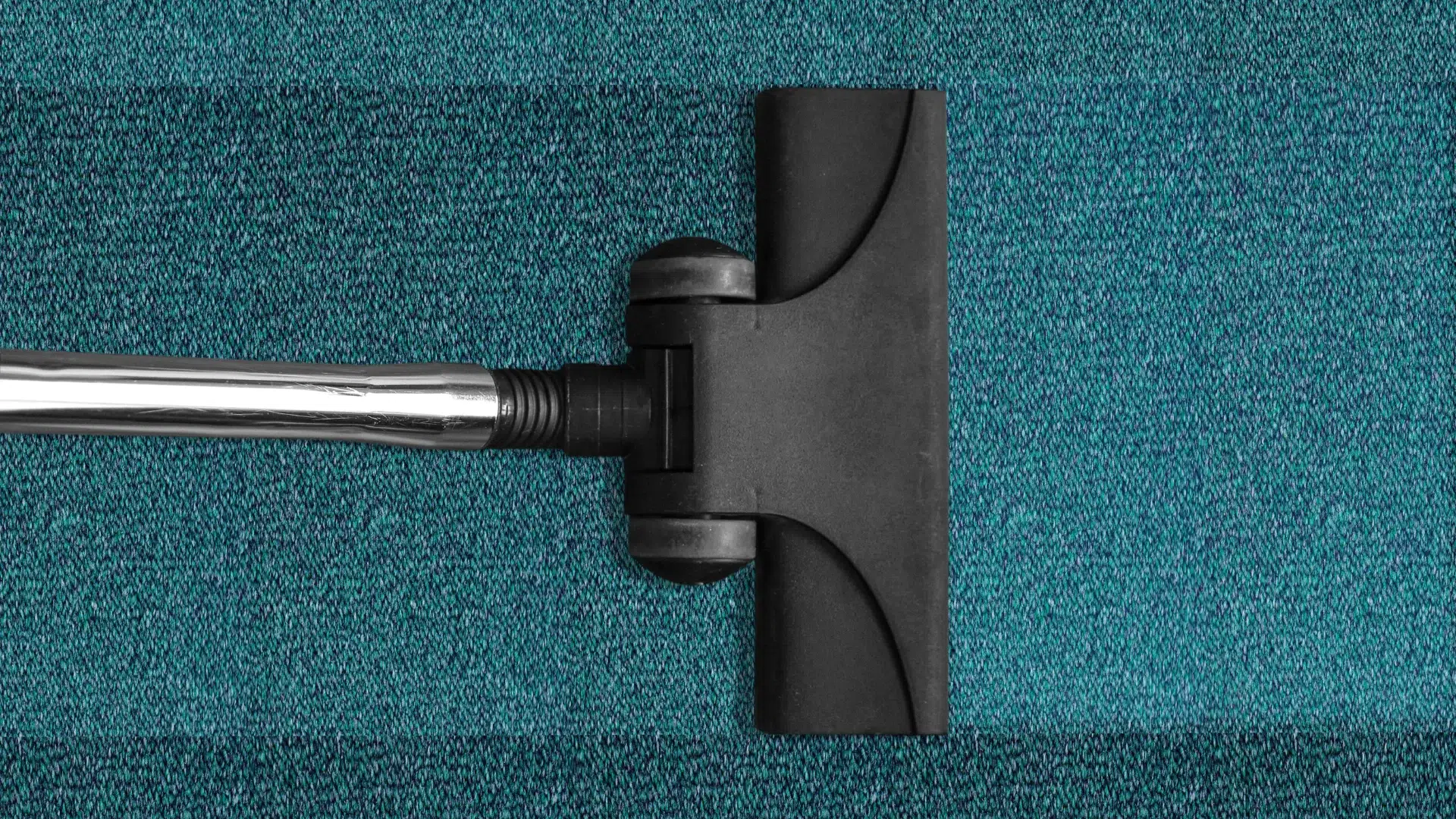
If you are wondering how to use a carpet cleaning machine, this guide explains the process step by step. It covers preparation, operating a typical domestic or rental carpet extractor, removing excess moisture and avoiding mistakes that can affect the carpet.
Before starting, it is important to understand that most machines marketed for DIY carpet steam cleaning actually use hot water extraction. They apply water and cleaning solution to the carpet, then recover the loosened dirt and moisture through suction. They do not necessarily produce actual steam.
What Is a Carpet Cleaning Machine?
A carpet cleaning machine is designed to remove accumulated soil and cleaning residues from compatible carpet fibres. Many domestic and rental models use a water-based extraction process.
A typical carpet extractor has two main functions:
- Cleaning solution application: The machine distributes water and a compatible cleaning solution across the carpet.
- Water extraction: A vacuum system collects the loosened dirt, cleaning solution and moisture into a separate recovery tank.
Some machines combine these functions in one forward-and-backward movement, while others have separate settings for applying solution and extracting water.
Always identify the machine type before use. A conventional steam cleaner, a carpet extractor and a low-moisture carpet cleaning machine do not operate in exactly the same way.
What You Need Before Cleaning a Carpet
Preparing the equipment and the room before starting makes the cleaning process easier and helps reduce the risk of damage.
For a typical DIY carpet extraction job, you may need:
- A compatible domestic or rental carpet cleaning machine.
- The cleaning solution recommended by the machine manufacturer.
- Clean water, at the temperature specified in the manual.
- A vacuum cleaner for removing loose dirt.
- Clean cloths for blotting suitable stains.
- A suitable stain pre-treatment product, if required.
- Fans or other appropriate ventilation equipment to support drying.
Do not substitute household detergents, washing-up liquid or bleach for the recommended carpet cleaning formula. Unsuitable products can create excessive foam, leave residues or affect carpet fibres and machine components.
How to Prepare Your Carpet for Machine Cleaning
Preparation is an important part of DIY carpet cleaning. Starting without removing loose dirt or checking the carpet material can make the process less effective and increase the risk of problems.
1. Check the Carpet Manufacturer’s Instructions
Before applying water or cleaning products, check the carpet manufacturer’s care instructions and warranty conditions.
Different fibres, backing materials, dyes and carpet constructions can respond differently to moisture, heat and cleaning chemicals. Some carpets require specialist cleaning rather than a standard extraction machine.
2. Remove Furniture and Loose Objects
Move smaller furniture, toys, cables and other objects away from the cleaning area. Make sure the machine can move freely without catching on furniture legs or other obstacles.
3. Vacuum the Carpet Thoroughly
Use a regular vacuum cleaner to remove loose dust, hair, crumbs and surface debris before using the extraction machine.
This step is important because the extraction machine is designed for a different cleaning task and should not be relied upon to collect all loose dry debris.
4. Check and Pre-Treat Suitable Stains
Inspect the carpet for visible spills, marks and heavily soiled areas. If a compatible stain treatment is required, follow its product instructions and test it on an inconspicuous area first.
Blot suitable spills with a clean cloth rather than aggressively rubbing the fibres. Avoid mixing different cleaning products, as this can create unwanted chemical reactions or leave difficult residues.
5. Test an Inconspicuous Area
Before cleaning the entire carpet, test the selected cleaning solution and machine settings on a small, hidden section.
Allow the test area to dry and check for colour changes, texture changes or other unwanted effects. If you notice a problem, stop and seek advice before continuing.
How to Use a Carpet Cleaning Machine Step by Step
Once the carpet and equipment are prepared, follow the machine manufacturer’s operating instructions. The following steps describe a typical domestic or rental hot water extraction machine.
Step 1: Prepare the Clean Water Tank
Remove the clean water tank and fill it according to the manufacturer’s instructions.
Add only the recommended carpet cleaning solution and use the specified dilution ratio. Do not assume that every machine uses the same formula or water temperature.
Check that the tank is correctly fitted before switching on the machine.
Step 2: Position the Machine Correctly
Start at the farthest part of the room and plan a route towards the exit. This reduces the need to walk across areas that have already been cleaned.
Make sure the power cable, hoses and other connections are positioned safely and cannot become trapped beneath the machine.
Step 3: Begin with Controlled Cleaning Passes
Follow the machine’s instructions for applying cleaning solution. On many extraction machines, the cleaning solution is released during a forward movement, while the backward movement helps recover moisture.
Move at a controlled pace rather than rushing. The correct movement and speed depend on the machine’s design.
Step 4: Overlap Adjacent Cleaning Passes
Move across the carpet in consistent sections, allowing a small overlap between neighbouring passes.
This helps avoid leaving narrow untreated strips between cleaned areas. Avoid repeatedly applying cleaning solution to the same section without a specific reason.
Step 5: Use Extraction Passes to Recover Moisture
If the machine provides a suction-only or dry-pass setting, use it according to the manufacturer’s instructions.
These passes help recover remaining cleaning solution and moisture from the carpet. Effective extraction is important because excessive residual moisture can increase drying time and contribute to unwanted odours.
Step 6: Check the Recovery Tank
Monitor the dirty-water tank during cleaning. Empty it when it reaches the recommended level and refill the clean-water tank when required.
Follow the manufacturer’s instructions for removing, emptying and refitting the tanks. Avoid continuing to operate the machine when a tank is full or incorrectly positioned.
Step 7: Inspect the Finished Area
Once the cleaning is complete, inspect the carpet for remaining marks, uneven cleaning or areas that appear excessively wet.
Do not automatically repeat the wet-cleaning process over the entire carpet. Additional moisture may cause more problems than it solves. Any further treatment should be based on the carpet’s condition and the machine instructions.

How to Dry Your Carpet After Machine Cleaning
Drying is an important part of the carpet cleaning process. Even when an extraction machine removes a considerable amount of moisture, some water can remain in the carpet fibres and backing.
To support drying:
- Open windows when outdoor conditions allow suitable ventilation.
- Use fans to improve air circulation throughout the room.
- Consider a dehumidifier when indoor humidity is high.
- Keep children and pets away from damp carpet until it is safe to use.
- Do not replace furniture until the carpet is sufficiently dry.
- Follow any additional drying recommendations provided by the carpet manufacturer.
Drying time varies according to carpet construction, moisture application, extraction efficiency, room temperature, humidity and ventilation. There is no single drying time that applies to every carpet.
Common DIY Carpet Cleaning Mistakes to Avoid
Using a carpet cleaning machine without understanding its limitations can create problems that are difficult to correct. These are some common mistakes to avoid.
1. Treating Every Carpet Cleaning Machine as a Steam Cleaner
Not every machine produces steam. Many domestic and rental machines use hot water extraction, so it is important to understand the actual process rather than relying on the product’s marketing description.
2. Using Too Much Cleaning Solution
Adding more detergent does not necessarily produce a better clean. Excessive solution can create foam and leave residues that attract dirt or make the carpet feel sticky.
Always follow the recommended dilution instructions.
3. Applying Too Much Water
Excessive moisture can penetrate the carpet backing and underlay, potentially increasing drying time and creating conditions for unpleasant odours or other moisture-related problems.
Use the machine’s recommended settings and avoid unnecessary wet passes.
4. Skipping the Initial Vacuuming
Loose dirt and debris should be removed before extraction cleaning. Skipping this step can interfere with the cleaning process and leave avoidable debris behind.
5. Ignoring Carpet Material and Condition
A cleaning method suitable for one carpet may not be appropriate for another. Delicate fibres, unstable dyes, damaged backing and previous water damage require particular care.
6. Replacing Furniture Before the Carpet Is Dry
Placing furniture on a damp carpet can create additional problems, including moisture transfer and staining. Wait until the carpet is sufficiently dry and follow the manufacturer’s recommendations before returning furniture.
What Are the Limitations of DIY Carpet Cleaning Machines?
DIY carpet cleaning machines can be useful for routine maintenance and suitable cleaning tasks, but they have limitations that should be understood before starting.
- Equipment performance: Domestic and rental machines can differ considerably in water application and extraction capability.
- Stubborn stains: Old stains, permanent discolouration and certain chemical marks may not respond to ordinary extraction cleaning.
- Deep contamination: Dirt or liquid that has penetrated into the carpet backing or underlay may require a more specialised assessment.
- Delicate materials: Some natural fibres, sensitive dyes and particular carpet constructions may not tolerate standard wet extraction.
- Excess moisture: Incorrect operation can leave too much water in the carpet and extend drying time.
- Mechanical damage: Incorrect settings, unsuitable attachments or aggressive treatment can affect carpet fibres and backing.
It is also important to recognise that cleaning is not the same as repairing carpet damage. Worn fibres, bleach marks, permanent dye changes and damaged backing may need a different solution.

When Is Professional Carpet Cleaning a Better Option?
Although DIY extraction machines can be suitable for some household cleaning tasks, certain situations may require professional assessment.
Consider seeking professional advice when:
- The carpet has persistent stains that have not improved with appropriate cleaning.
- There are signs of moisture or contamination beneath the carpet surface.
- The carpet is made from delicate fibres or has specific manufacturer restrictions.
- The carpet has a history of water damage or recurring unpleasant odours.
- You are unsure which cleaning method is suitable for the material.
- A large or heavily soiled area requires more specialised equipment.
A professional assessment can help identify the carpet material, determine the likely source of the problem and establish whether extraction cleaning is appropriate.
Frequently Asked Questions
Can I use a regular steam cleaner on my carpet?
Not necessarily. A general-purpose steam cleaner is not automatically suitable for carpets. Check both the carpet manufacturer’s instructions and the equipment manual to confirm whether the machine is designed for carpet use.
Is a rental carpet cleaner the same as a professional extraction machine?
Both may use hot water extraction, but their design, water application, suction performance and operating features can differ. Rental machines also vary between manufacturers and models.
Should I vacuum before using a carpet cleaning machine?
Yes. Thorough vacuuming removes loose dust, hair and debris before wet cleaning. It is an important preparation step for most extraction-cleaning applications.
Can I use ordinary detergent in a carpet cleaning machine?
No. Use a cleaning formula specifically approved for your machine and carpet type. Ordinary household detergents may create excessive foam or leave residues that are difficult to remove.
How many times should I pass the machine over the carpet?
The number of passes depends on the machine, carpet condition and manufacturer’s instructions. Avoid repeatedly applying water to the same area. Use suitable extraction-only passes where the equipment provides this function.
Why does my carpet still feel damp after cleaning?
Some residual moisture is normal after extraction cleaning. However, excessive dampness can result from too much cleaning solution, insufficient extraction, poor ventilation or unsuitable machine operation.
Can DIY carpet cleaning remove old stains?
Some old stains may improve with suitable treatment, but results depend on the substance, age, carpet fibre and previous cleaning attempts. Permanent discolouration and fibre damage cannot necessarily be reversed through cleaning.
How can I maintain my carpet between deep cleans?
Regular vacuuming, prompt attention to spills, suitable entrance mats and following the carpet manufacturer’s maintenance instructions can help reduce soil accumulation between deeper cleaning sessions.
Final Thoughts on DIY Carpet Cleaning
Using a carpet cleaning machine at home can be a practical way to maintain compatible carpets when the equipment is operated correctly. Proper preparation, suitable cleaning products, controlled moisture application and adequate drying all contribute to a better cleaning process.
However, DIY extraction machines have limitations. They cannot guarantee the removal of every stain or resolve damage and contamination beneath the carpet surface. Understanding the carpet material and following the equipment manufacturer’s instructions are essential before starting.
If your carpet requires a more thorough assessment or professional treatment, explore professional carpet steam cleaning in Adelaide to learn about the available service and cleaning options.