
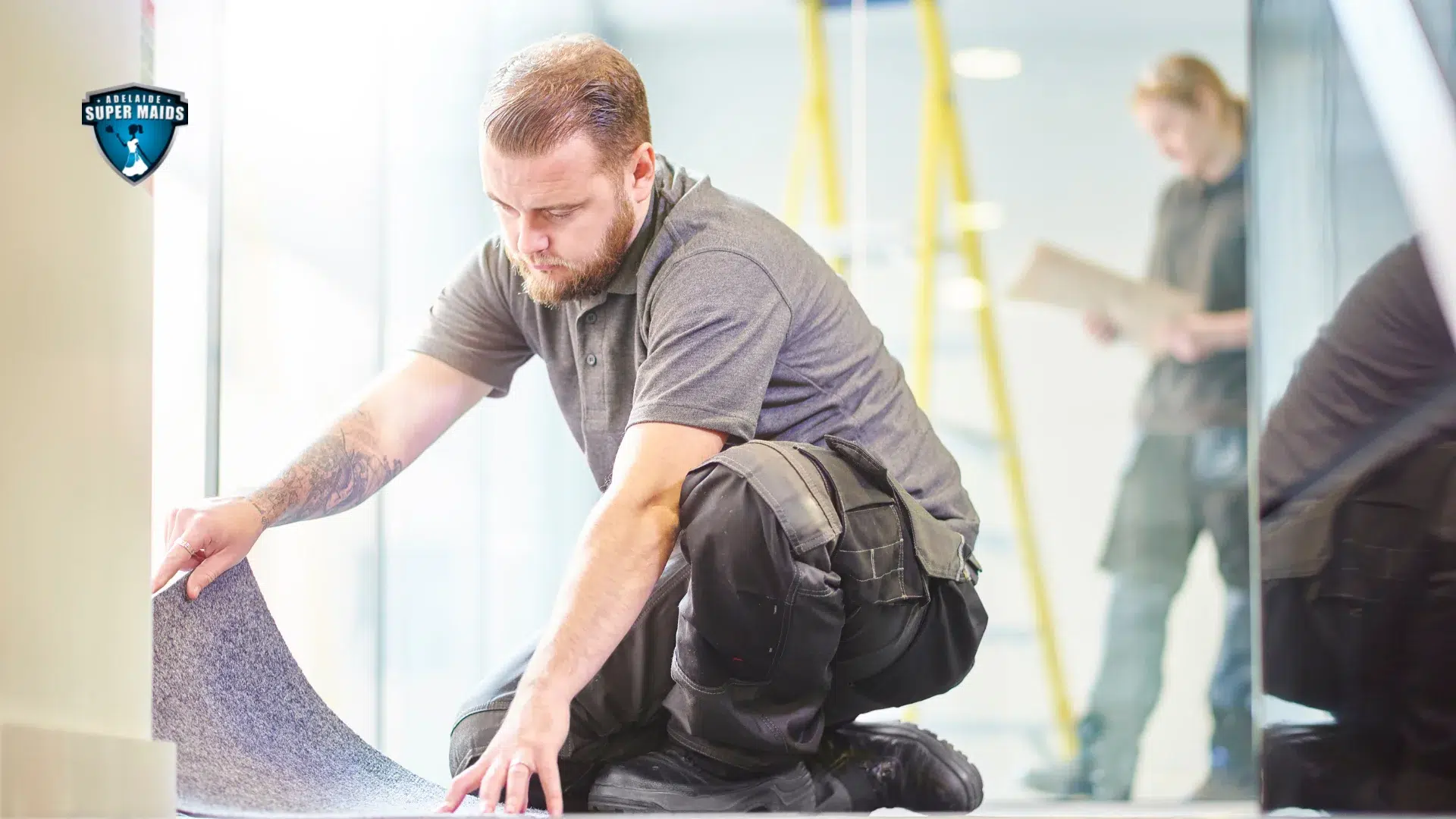
Offices, retail premises and commercial buildings often experience different levels of carpet traffic. Reception areas, corridors, meeting rooms and workstations may each require a different cleaning schedule depending on their usage and accessibility.
This guide explains how businesses can plan professional carpet cleaning, prepare their premises, coordinate site access, manage downtime and organise the reopening of cleaned areas.
What Is Commercial Carpet Steam Cleaning?
Commercial carpet steam cleaning is a commonly used term for professional carpet maintenance in offices and other business premises. In many professional carpet-cleaning applications, the process actually involves hot water extraction rather than steam alone.
Hot water extraction applies heated water and a suitable cleaning solution to compatible carpet fibres. The equipment then uses vacuum extraction to recover loosened soil, cleaning solution and much of the applied moisture.
The process may involve several stages:
- Initial inspection of the carpet and identification of problem areas.
- Removal of loose dirt and surface debris.
- Pre-treatment of selected stains where appropriate.
- Application of a suitable cleaning solution and heated water.
- Extraction of loosened soil and moisture.
- Final inspection and appropriate drying arrangements.
The actual method depends on carpet construction, fibre type, condition and manufacturer recommendations. Businesses should confirm the proposed process with their cleaning provider before the appointment.
Planning Commercial Carpet Steam Cleaning Around Business Operations
Effective commercial carpet steam cleaning starts with understanding how the workplace operates. A suitable cleaning schedule should account for employee attendance, customer access, meeting schedules and the time required for treated carpets to dry.
Before arranging an appointment, businesses should establish the following:
- Which rooms and carpeted areas need cleaning?
- Which sections experience the highest foot traffic?
- Can employees work in unaffected areas during cleaning?
- Are there restricted-access rooms or security requirements?
- Which furniture and equipment need to be moved?
- When can the cleaning take place without interrupting essential activities?
- How will recently cleaned areas remain accessible only when suitable for use?
Agreeing on these details in advance helps establish a realistic cleaning scope and reduces the likelihood of delays or misunderstandings.
How to Define the Cleaning Scope for a Commercial Property
Commercial properties often contain several types of carpeted areas, each with different levels of use and cleaning requirements. Rather than treating the entire premises as one uniform space, divide the property into practical cleaning zones.
1. Reception and Entrance Areas
Reception areas and entrances often experience frequent pedestrian traffic. Dirt transferred from outdoor surfaces, footwear and daily visitor activity can create visible traffic patterns.
Identify entrance sections, waiting areas and reception carpets that require attention. Businesses should also consider how visitors will enter the premises while cleaning is taking place.
2. Offices and Workstations
Individual offices and open-plan workspaces may contain desks, chairs, computers, cables and personal belongings that affect cleaning access.
Identify which workstations need cleaning and whether employees will need to clear their immediate areas before the appointment.
3. Meeting and Conference Rooms
Meeting rooms may need to remain available for scheduled discussions, client visits and internal activities.
Where possible, arrange cleaning around existing bookings. Confirm whether tables, chairs and other movable items will be cleared before the cleaning team arrives.
4. Corridors and Shared Areas
Hallways and shared walkways require additional planning because employees and visitors may need to pass through them throughout the day.
Consider whether these sections can be cleaned in stages so that alternative routes remain available.
5. Staff Rooms and Break Areas
Staff rooms may experience food and beverage spills, furniture movement and concentrated daily use.
Confirm whether carpeted sections in these areas are included and coordinate the appointment around employee break schedules.
What Information Should You Provide Before Booking?
Providing accurate property information helps establish the expected scope, equipment requirements and access arrangements.
Before requesting a quotation, prepare the following details:
- Business name and property address.
- Type of premises, such as an office, retail property or professional suite.
- Approximate carpeted floor area in square metres.
- Number of rooms and separate carpeted zones.
- Carpet type, if known.
- Visible stains, heavy traffic areas or specific concerns.
- Furniture that may restrict access.
- Preferred appointment dates and working hours.
- Building access and parking arrangements.
- Any operational restrictions affecting the cleaning schedule.
Floor plans and recent photographs can also help explain the layout and identify areas requiring additional attention.
Workplace Access and Security Arrangements
Access arrangements are an important part of commercial carpet steam cleaning planning, particularly in managed buildings, offices with restricted entry and premises that close outside normal business hours.
Building Entry and Security
- Identify the authorised person responsible for granting access.
- Confirm whether visitor registration or security sign-in is required.
- Arrange approved access cards, keys or temporary entry permissions.
- Explain alarm procedures and relevant building restrictions.
- Provide instructions for accessing the required floors and rooms.
Parking and Equipment Access
Professional cleaning equipment may need to be transported from a vehicle to the relevant working areas.
Confirm whether suitable parking, loading areas, service entrances and lift access are available. If the building has restricted loading hours or equipment movement rules, communicate these requirements before the appointment.
Utilities and Site Facilities
Discuss any water and electrical access requirements with the cleaning provider before work begins.
Businesses should not assume that every building has suitable connections in the required locations. Any restrictions involving power points, water access or shared facilities should be identified during planning.
How to Prepare an Office Before Carpet Cleaning
Workplace preparation helps make carpeted areas accessible and reduces unnecessary handling of business equipment and personal belongings.
1. Clear Loose Items
Remove waste bins, small decorative objects, floor mats, loose cables and other items that may obstruct the cleaning process.
2. Organise Workstations
Employees should clear personal belongings, paperwork and small objects from the floor around their workstations.
Confidential documents, electronic equipment and valuable items should be secured before the appointment.
3. Confirm Furniture Movement
Identify which chairs, small tables and movable items need to be repositioned.
Large desks, cabinets and heavy furniture should not be assumed to be included in the cleaning team’s furniture-moving responsibilities. Agree on these arrangements in advance.
4. Protect Sensitive Equipment
Computers, monitors, electrical connections and other workplace equipment should be kept away from areas where water or cleaning solutions may be used.
Any disconnection or movement of powered equipment should be handled by authorised personnel. Cleaning staff should not be expected to relocate sensitive business equipment without prior agreement.
5. Inform Employees and Visitors
Notify employees about the cleaning schedule and identify any temporary restrictions affecting their work areas.
Where customer-facing spaces are involved, consider alternative reception arrangements and temporary access routes.
How to Schedule Carpet Cleaning Without Disrupting Business Operations
One of the main challenges of commercial carpet steam cleaning is arranging the work without interfering with normal business activities.
The most suitable schedule depends on the building, employee attendance, customer traffic, cleaning scope and expected drying requirements.
After-Hours Cleaning
Some businesses prefer cleaning after normal operating hours when fewer employees and visitors are present.
This may provide easier access to workstations and shared areas, although security permissions, building access and staff availability must be confirmed.
Weekend Appointments
Weekend scheduling may suit workplaces that operate primarily from Monday to Friday.
However, businesses should consider weekend building access, security arrangements and any activities already planned for the premises.
Phased or Section-by-Section Cleaning
For larger offices, cleaning the entire property at once may be impractical.
A phased approach can divide the work into separate sections, allowing some areas to remain operational while others are being cleaned or drying.
For example:
- Clean the reception area and selected meeting rooms.
- Move to designated office sections once access is available.
- Clean corridors and shared spaces while maintaining suitable alternative routes.
- Complete remaining rooms and inspect the treated areas.
The sequence should be agreed before work begins so employees know which areas are temporarily unavailable.
Coordinate with Business Activities
Before confirming the appointment, check the business calendar for important meetings, customer visits, deliveries, training sessions and other scheduled activities.
Cleaning should ideally take place when the affected areas can be made available without creating unnecessary operational problems.
Managing Downtime During Commercial Carpet Cleaning
Downtime is not limited to the time spent operating cleaning equipment. Businesses should also account for preparation, restricted access, drying and the return of furniture.
To manage these stages more effectively:
- Identify areas that can be temporarily closed without affecting essential operations.
- Arrange alternative workspaces where necessary.
- Keep staff informed about temporary access restrictions.
- Use suitable signs or barriers around recently cleaned areas.
- Allow sufficient time for drying before normal foot traffic resumes.
- Coordinate furniture replacement after the carpet is sufficiently dry.
Businesses should avoid promising employees or customers an exact reopening time until the cleaning method, carpet condition and drying requirements have been assessed.
What Happens During a Professional Commercial Carpet Cleaning Appointment?
Although the exact process varies according to the premises and carpet, a professional hot water extraction appointment may involve several stages.
Initial Site Walk-Through
The cleaning team reviews the agreed areas, access arrangements, visible stains and any restrictions identified before the appointment.
Any differences between the agreed scope and the actual site conditions should be discussed before additional work is undertaken.
Preparation and Vacuuming
Loose debris is removed, and the carpeted areas are prepared for the selected cleaning method.
Spot Treatment Where Appropriate
Selected marks may receive suitable pre-treatment based on the carpet fibre, stain type and previous cleaning history.
Complete stain removal cannot be guaranteed, particularly where the carpet has permanent discolouration or fibre damage.
Hot Water Extraction
For suitable carpets, heated water and an appropriate cleaning solution may be applied before extraction equipment recovers loosened soil and much of the applied moisture.
Equipment settings and cleaning products should be selected according to the carpet’s construction and condition.
Post-Cleaning Inspection
The treated sections are reviewed to check the overall result and identify any areas requiring further attention.
The site contact should also receive relevant information about drying, temporary restrictions and furniture replacement.
How Long Will the Workplace Be Unavailable?
There is no single downtime estimate that applies to every commercial carpet-cleaning appointment.
The time required depends on several separate factors:
- Size of the carpeted area.
- Number of rooms and separate cleaning zones.
- Furniture and equipment arrangements.
- Access restrictions and building procedures.
- Cleaning method and carpet condition.
- Number of sections being cleaned.
- Drying conditions and ventilation.
Businesses should distinguish between the time needed to perform the cleaning and the additional time required before an area is suitable for normal use.
When requesting a quotation, ask for an estimated work schedule and discuss how drying time will affect the reopening of each section.
Drying and Reopening Commercial Carpeted Areas
After hot water extraction, some residual moisture normally remains in the carpet. The amount and drying period depend on the cleaning process and environmental conditions.
To support an appropriate reopening process:
- Maintain suitable ventilation where possible.
- Use appropriate air circulation equipment if recommended.
- Keep unnecessary foot traffic away from damp areas.
- Do not replace furniture before the carpet is sufficiently dry.
- Follow the cleaning technician’s aftercare instructions.
- Check that access routes and working conditions are suitable before reopening the area.
Businesses should also consider how wet-floor or restricted-access signage will be positioned so employees and visitors can avoid recently cleaned sections.
Safe Work Australia advises workplaces to maintain clear walkways, dry floors after cleaning and keep electrical cords away from walkways and work areas. Businesses can consult its official guidance on managing slips, trips and falls when reviewing workplace cleaning safety arrangements.
How Often Should a Workplace Schedule Carpet Cleaning?
There is no universal cleaning frequency for every office or commercial property.
The appropriate schedule depends on:
- Daily employee and visitor numbers.
- Traffic through entrances and corridors.
- Carpet material and colour.
- Food and beverage activity.
- Effectiveness of routine vacuuming.
- Visible soil accumulation and staining.
- Business operating conditions.
High-use areas may need more frequent attention than rooms with limited occupancy.
Rather than selecting a fixed schedule without considering actual conditions, businesses should periodically review carpet appearance, usage and maintenance requirements.
What Should Be Included in a Commercial Carpet Cleaning Quote?
A clear quotation should explain the agreed work so that the business knows what to expect before the appointment.
Consider confirming the following details:
- Which carpeted rooms and sections are included?
- What is the approximate total cleaning area?
- Which cleaning method will be used?
- Are suitable spot treatments included?
- Is furniture movement included or excluded?
- Are stairs, corridors and reception areas included?
- Are there additional charges for access restrictions or special requirements?
- What are the proposed appointment hours?
- What drying and reopening arrangements are recommended?
- Who is responsible for site access and final inspection?
These details help businesses compare quotations based on the actual scope rather than price alone.
Common Planning Mistakes Businesses Should Avoid
Even when the cleaning method is suitable, poor coordination can create unnecessary delays.
- Leaving access arrangements until the last minute: Confirm keys, security permissions and building entry procedures before the appointment.
- Not defining the cleaning scope: Agree on the rooms and areas included rather than relying on a general description of the property.
- Ignoring employee schedules: Check meetings, customer appointments and essential workplace activities.
- Assuming all furniture will be moved: Agree on responsibilities for desks, cabinets and other heavy items.
- Underestimating drying requirements: Include drying and reopening arrangements in the schedule.
- Failing to communicate restrictions: Inform employees and visitors about temporarily unavailable areas.
- Expecting every stain to disappear: Discuss visible marks and realistic treatment expectations before work begins.
Frequently Asked Questions
Can commercial carpet steam cleaning take place outside business hours?
It may be possible depending on the cleaning provider’s availability and the building’s access arrangements. Businesses should confirm security permissions, preferred timing and any after-hours requirements before booking.
Should employees leave the office during carpet cleaning?
Not necessarily. Some workplaces can continue operating in unaffected sections while cleaning takes place elsewhere. However, employees should stay away from active cleaning areas and follow temporary access restrictions.
Does the cleaning team move office desks and cabinets?
Furniture movement depends on the agreed service scope. Small movable items may be cleared before the appointment, while large desks, cabinets and heavy equipment should be discussed and agreed upon in advance.
Can a large office be cleaned in separate stages?
Yes, a phased schedule may be suitable for larger premises. Dividing the property into separate zones can help businesses maintain access to unaffected areas while cleaning and drying take place elsewhere.
How long does commercial carpet cleaning take?
The cleaning duration depends on the carpeted area, room layout, furniture, condition, access and selected method. The business should request an estimated schedule after the scope has been reviewed.
How long before employees can walk on the carpet again?
Reopening depends on the carpet’s moisture level and drying conditions. Follow the technician’s advice and avoid normal foot traffic until the carpet is sufficiently dry and safe to use.
Can commercial carpet cleaning remove every stain?
No. Some stains may improve with suitable treatment, while permanent discolouration, fibre damage and certain older marks may remain. Results depend on the carpet material, stain composition and previous treatments.
Is commercial carpet cleaning the same as general office cleaning?
No. Commercial carpet cleaning focuses on carpeted flooring, while general office cleaning may include workstations, bathrooms, kitchens, hard floors and frequently used surfaces. They are separate cleaning scopes and can be coordinated when required.
Final Thoughts on Commercial Carpet Steam Cleaning
Planning commercial carpet steam cleaning involves more than choosing an appointment date. Businesses need to coordinate the cleaning scope, workplace access, furniture preparation, employee schedules and drying requirements.
A structured approach helps businesses organise carpet maintenance while keeping unaffected areas operational and reducing avoidable disruption.
Before arranging a service, confirm the carpet type, proposed cleaning method, included areas and expected site requirements. These details help establish realistic expectations and a suitable maintenance plan.
For businesses considering professional carpet cleaning in Adelaide, visit Adelaide SuperMaids’ Carpet Steam Cleaning Adelaide service page to review the cleaning process and discuss whether the service can accommodate your workplace requirements.